Economics & Finance Trends - February 5, 2026
Market volatility sparks hiring spree, Tether faces funding woes, and Russia's oil strategy falters.
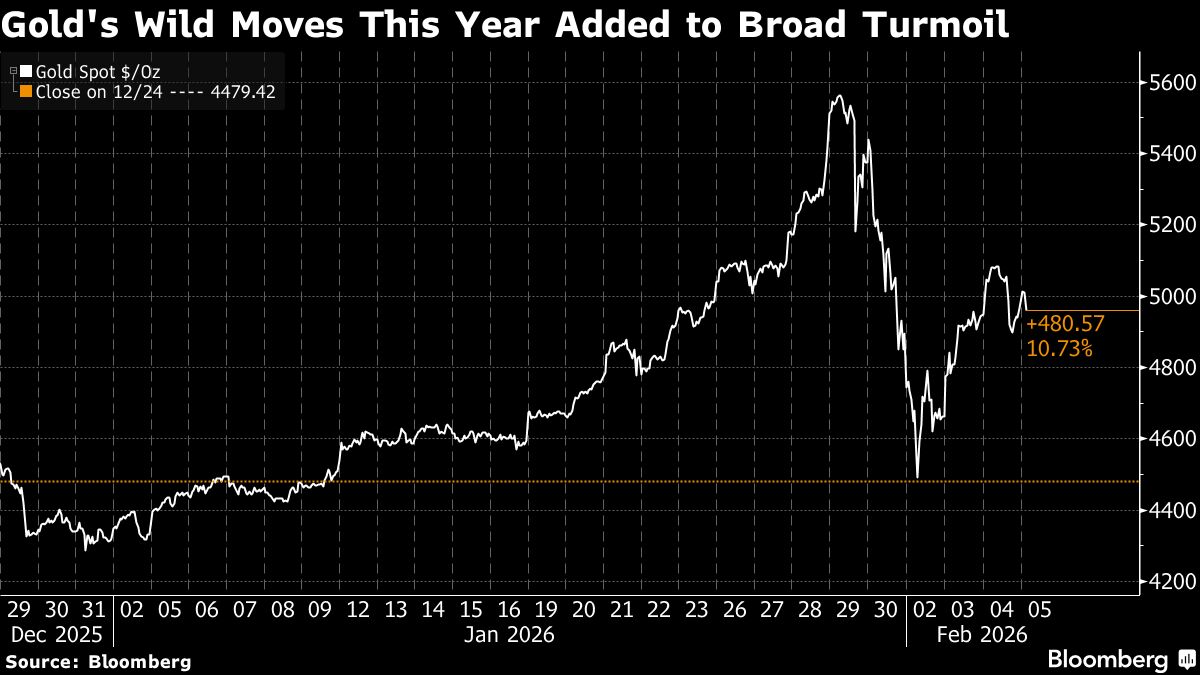
Main Heading
Volatility is the new normal, and Wall Street is responding with a swift hiring spree. Hedge funds and major banks are aggressively recruiting traders as market turbulence creates opportunities for profit. This isn't just about filling seats; it signals a strategic pivot. Firms are doubling down on talent that can navigate complex, unpredictable markets, suggesting a sustained period of uncertainty rather than a fleeting blip. The implication for investors? Expect more aggressive trading strategies and potentially wider price swings as these newly hired professionals seek to capitalize on the chaos.
Meanwhile, Russia's attempts to circumvent Western sanctions via a shadow fleet of oil tankers appear to be backfiring spectacularly. Reports indicate that Western nations and Ukraine are actively disrupting this parallel economy, leading to the effective capsizing of this vital, albeit illicit, trade route. This strikes at the heart of Russia's ability to fund its war machine and exert global energy influence. The success here suggests a tightening grip on illicit financial flows and a potential reassertion of Western economic leverage, with ripple effects on global energy prices and geopolitical stability.
In the cryptocurrency realm, Tether (USDT), a stablecoin pegged to the US dollar, is reportedly scaling back its ambitious $20 billion funding plans due to investor pushback. This retreat highlights a critical tension within the stablecoin market: the delicate balance between growth ambitions and the intense scrutiny required for trust. For investors, this signals that even established players in the crypto space face significant headwinds in securing capital, especially when transparency and regulatory concerns are paramount. The market's reaction to Tether's funding woes could influence trust in other stablecoins and broader crypto market stability.
On a more granular level, a fascinating economic paradox is emerging around car leasing. While logically it seems financially disadvantageous compared to buying, the practice persists. The "why" lies in affordability and flexibility. For many, particularly younger consumers or those prioritizing predictable monthly costs, leasing offers a lower entry point and the allure of driving a new car every few years without the long-term commitment or depreciation risk of ownership. This speaks to a broader consumer trend prioritizing access over ownership, especially for high-value assets, driven by changing financial priorities and the desire for the latest technology.
Market Insights
The hiring surge in trading roles underscores a fundamental shift. It's not just about reacting to volatility; it's about proactively seeking alpha in an environment where traditional strategies may falter. Firms are betting on skilled traders to exploit market dislocations and regulatory arbitrage, potentially leading to increased sector-specific opportunities but also heightened systemic risk if positions sour.
The pressure on Russia's shadow fleet, detailed in The Economist, is a masterclass in economic warfare. By targeting the logistics and insurance underpinning this fleet, Western powers are directly impacting revenue streams. This approach could become a blueprint for tackling other sanction-evading mechanisms, offering a powerful non-military tool for geopolitical leverage.
Tether's funding setback is a stark reminder of the regulatory tightrope stablecoins walk. The market demands robust reserves and transparency. Any perceived weakness, as indicated by investor reluctance, can quickly erode confidence, impacting not just USDT but the broader stablecoin ecosystem that underpins much of decentralized finance (DeFi).
Finally, the car leasing example, as explored by MarketWatch, reveals a complex interplay of consumer psychology and financial pragmatism. It’s a micro-economy driven by the desire for newness and predictable expenses, illustrating how perceived value can override pure cost-benefit analysis in everyday financial decisions. This trend likely extends beyond automobiles to other durable goods, signaling a potential shift in consumer spending patterns.
References
- Hedge Funds, Banks Rush to Hire Traders as Markets Turn Volatile - Bloomberg Markets
- The West and Ukraine are capsizing Russia’s shadow fleet - The Economist
- Tether retreats from $20bn funding ambitions after investor pushback - Financial Times
- Explain this financial paradox to me like I’m 16. Why would I, or anyone, lease a car? - MarketWatch
- Checkmate (CHECK) - CoinGecko
- Tether (USDT) - CoinGecko
Related Posts
Economics & Finance Trends - April 29, 2026
AI's changing market dominance and investor uncertainty dominate today's financial landscape.
April 29, 2026Economics & Finance Trends - April 28, 2026
Analysis of LNG market shifts and surprising US corporate profit strength.
April 28, 2026Economics & Finance Trends - April 27, 2026
US profits defy global woes, India faces currency pressure, and tech supply chains tighten.
April 27, 2026