Economics & Finance Trends - January 31, 2026
Fed probe sparks debate, book ignites country analysis, Venezuela amnesty, Warsh's Fed impact.
Economic Headwinds and Shifting Sands
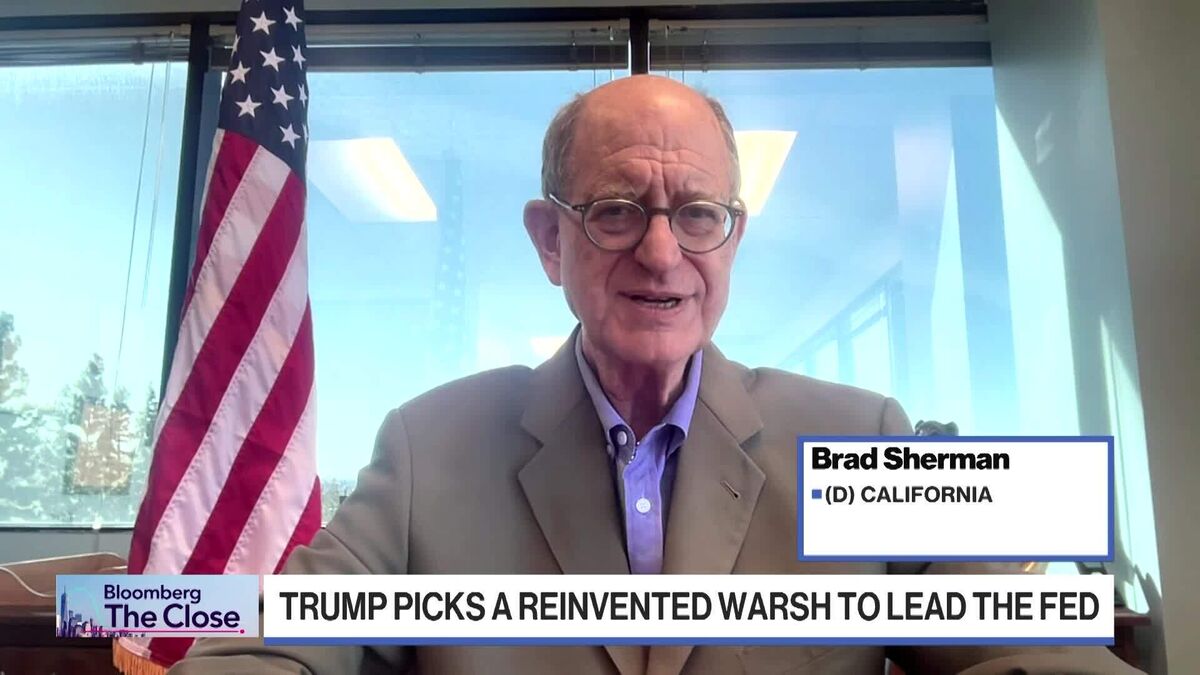
Washington's political theater is directly impacting financial markets, and not in a good way. Representative Sherman's dismissal of the Federal Reserve investigation as 'phony' underscores a growing partisan divide over monetary policy. This isn't just political posturing; it injects uncertainty into the economic outlook. Investors hate uncertainty, and this kind of rhetoric can lead to increased volatility in bond yields and stock prices as market participants try to price in unpredictable policy shifts. The implication here is clear: expect choppier markets as political noise drowns out fundamental economic signals.
Meanwhile, the bond market is grappling with the implications of Trump's Federal Reserve chair nominee, Warsh. MarketWatch reports that the market isn't fully satisfied with Warsh's potential impact. This signals a divergence of expectations between the White House and the financial establishment. Warsh's hawkish leanings, while potentially appealing to some, might not align with the bond market's desire for sustained low-interest rates or a predictable inflation trajectory. The "so what?" for investors is that this could mean higher borrowing costs sooner than anticipated, impacting everything from corporate debt to mortgage rates. This uncertainty around Fed leadership breeds caution.
Beyond immediate U.S. policy, broader economic narratives are emerging. The Economist highlights an "audacious new book" delving into a "precocious country." While specifics are scarce without the book's details, the very mention suggests a re-evaluation of global economic powerhouses. Such analyses often uncover emerging markets or overlooked economies poised for significant growth, or perhaps facing unique challenges. For investors, this means keeping a keen eye on geopolitical risk and opportunity beyond the usual suspects. A "precocious" nation could be the next big investment story, or a new source of global economic friction.
On the geopolitical front, Venezuela's Delcy Rodríguez announces an amnesty for political prisoners. While seemingly a political move, such developments can have significant economic ramifications. Improved political stability can unlock foreign investment, ease international sanctions, and potentially lead to the normalization of economic activity. This is a crucial signal for those monitoring emerging markets and commodity prices, as Venezuela's oil production capacity, if unleashed by stability, could impact global energy markets. The long-term economic recovery of a nation often hinges on such political breakthroughs.
References
- Rep. Sherman (D-CA): Investigation into Fed is ‘Phony’ - Bloomberg Markets
- An audacious new book about a “precocious” country - The Economist
- Venezuela’s Delcy Rodríguez announces amnesty for political prisoners - Financial Times
- Bond market isn’t getting everything it wants from Trump’s choice of Warsh for Fed chair - MarketWatch
- Infinex (INX) - CoinGecko
- tokenbot (CLANKER) - CoinGecko
- BankrCoin (BNKR) - CoinGecko
Related Posts
Economics & Finance Trends - April 29, 2026
AI's changing market dominance and investor uncertainty dominate today's financial landscape.
April 29, 2026Economics & Finance Trends - April 28, 2026
Analysis of LNG market shifts and surprising US corporate profit strength.
April 28, 2026Economics & Finance Trends - April 27, 2026
US profits defy global woes, India faces currency pressure, and tech supply chains tighten.
April 27, 2026