Economics & Finance Trends - January 26, 2026
US bond market strength, China's fiscal crunch, Tepco's pivot, and the Fed's rate dilemma.
The Unstoppable Dollar: Why US Bonds Still Rule the Roost
America's bond market is defying gravity, and the implications for global finance are profound. While many economies grapple with inflation and currency fluctuations, the U.S. Treasury market continues to attract capital, driven by its deep liquidity, perceived safety, and the dollar's enduring status as the world's reserve currency. This isn't just a temporary blip; it signals a persistent demand that keeps yields competitive even as other nations hike rates more aggressively.
This sustained strength means the U.S. can borrow more cheaply, funding everything from infrastructure projects to its significant national debt. For investors, it offers a relatively stable haven, albeit with returns that might not match the riskier assets elsewhere. However, the flip side is a potentially stronger dollar, which can make American exports more expensive and put pressure on emerging markets holding dollar-denominated debt.
China's Fiscal Tightrope: A Hiring Spree Signals Strain
Beijing's decision to significantly ramp up hiring for tax officials isn't just about administrative efficiency; it's a stark indicator of mounting fiscal pressures. As local governments face dwindling land sales revenue and increasing social spending demands, the central government is clearly signaling a push to bolster tax collection across the board. This move suggests a more aggressive stance on revenue generation to plug budget gaps.
The "so what?" here is critical for businesses operating in or trading with China. Increased tax scrutiny and collection efforts could translate to higher compliance costs and potentially reduced profit margins. For global investors, it underscores the challenges China faces in balancing economic growth with fiscal stability, a dynamic that could influence trade relations and investment flows.
Tepco's Strategic Pivot: Selling Assets, Seeking Partners
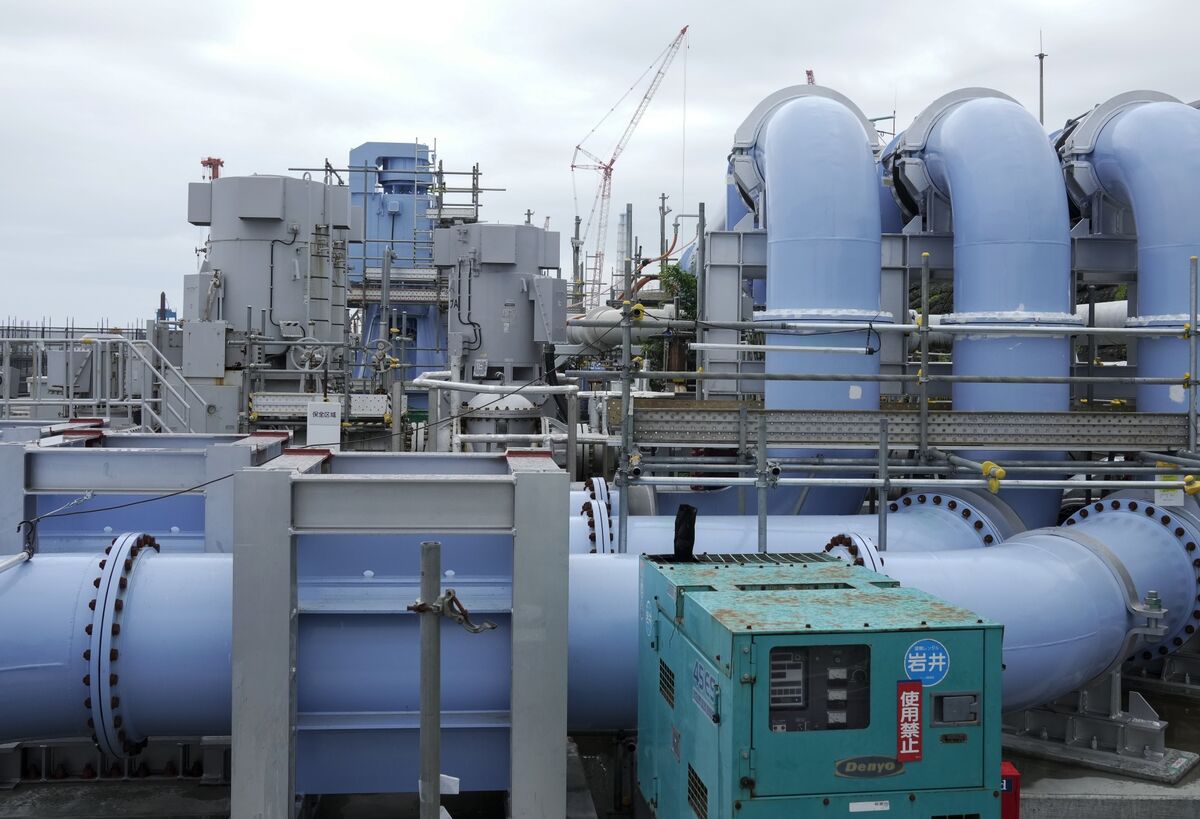
Tokyo Electric Power Company (Tepco) is charting a new course by divesting real estate holdings and actively seeking new business partners. This isn't merely a reshuffling of assets; it's a clear signal that the Japanese energy giant is under pressure to modernize its business model and unlock capital for future investments. The utility sector globally is undergoing a massive transformation, and Tepco's move reflects a pragmatic response to evolving energy landscapes and financial realities.
For investors, Tepco's strategy presents both opportunities and risks. Selling off non-core assets like real estate can improve the balance sheet and fund cleaner energy initiatives. However, the success hinges on finding the right partners and executing new ventures effectively in a competitive market. This pivot could redefine Tepco's role in Japan's energy future, moving beyond traditional power generation.
The Fed's Balancing Act: Pause or Pivot?
The Federal Reserve is widely expected to hold interest rates steady this week, a move that has become a familiar refrain. The real story, however, lies in the duration of this pause. With inflation showing signs of moderation but the labor market remaining resilient, the Fed faces a delicate balancing act. Straying too far from its inflation mandate risks reigniting price pressures, while premature easing could undermine economic momentum.
This signals continued uncertainty for the market. Investors are desperately trying to decipher the Fed's next move, with implications for everything from stock valuations to borrowing costs. A prolonged pause could encourage risk-taking, but any hint of a sooner-than-expected rate cut could trigger a rush into riskier assets, while a hawkish stance could dampen sentiment. The market is essentially holding its breath, awaiting clearer signals on the path forward.
References
- Why America’s bond market just keeps winning - The Economist
- Tepco to Sell Real Estate, Seek Partners in New Business Plan - Bloomberg Markets
- China goes on hiring spree for tax officials as fiscal pressures mount - Financial Times
- The Fed is expected to stand pat this week. The big question is for how long? - MarketWatch
- Caldera (ERA) - CoinGecko
Related Posts
Economics & Finance Trends - April 29, 2026
AI's changing market dominance and investor uncertainty dominate today's financial landscape.
April 29, 2026Economics & Finance Trends - April 28, 2026
Analysis of LNG market shifts and surprising US corporate profit strength.
April 28, 2026Economics & Finance Trends - April 27, 2026
US profits defy global woes, India faces currency pressure, and tech supply chains tighten.
April 27, 2026