Science & Technology News - March 30, 2026
Right whale boom, cholesterol shifts, and Mars critiques headline science.
Main Heading
The Pulse of Discovery: From Ocean Depths to Political Science
This week’s science snapshot reveals a fascinating interplay between ecological resilience, evolving medical guidelines, and the persistent human drive to explore—and critique—our celestial neighbors. While the North Atlantic right whale population experiences a surprising baby boom, the shadow of human impact looms large, underscoring the delicate balance of conservation efforts. Meanwhile, new cholesterol guidelines promise to reshape preventative cardiology, potentially impacting millions by altering the threshold for intervention. These developments, juxtaposed with a blunt assessment of Mars colonization and a quirky biological timekeeping anomaly, paint a vivid picture of scientific inquiry pushing boundaries across diverse fields.
Ecological Resilience Amidst Peril The North Atlantic right whale population is defying grim forecasts with an unexpected surge in births. Data indicates a significant increase in calves, a beacon of hope for a species teetering on the brink of extinction. However, this good news is tempered by the ongoing threats of ship strikes and entanglement in fishing gear, which continue to decimate adult populations. The "baby boom" is a critical, albeit fragile, window for intervention and intensified conservation strategies. The "so what?" here is profound: while nature can exhibit remarkable recovery, human-caused stressors remain the primary bottleneck. Effective conservation requires not just celebrating births, but aggressively mitigating the persistent dangers that threaten to erase these gains.
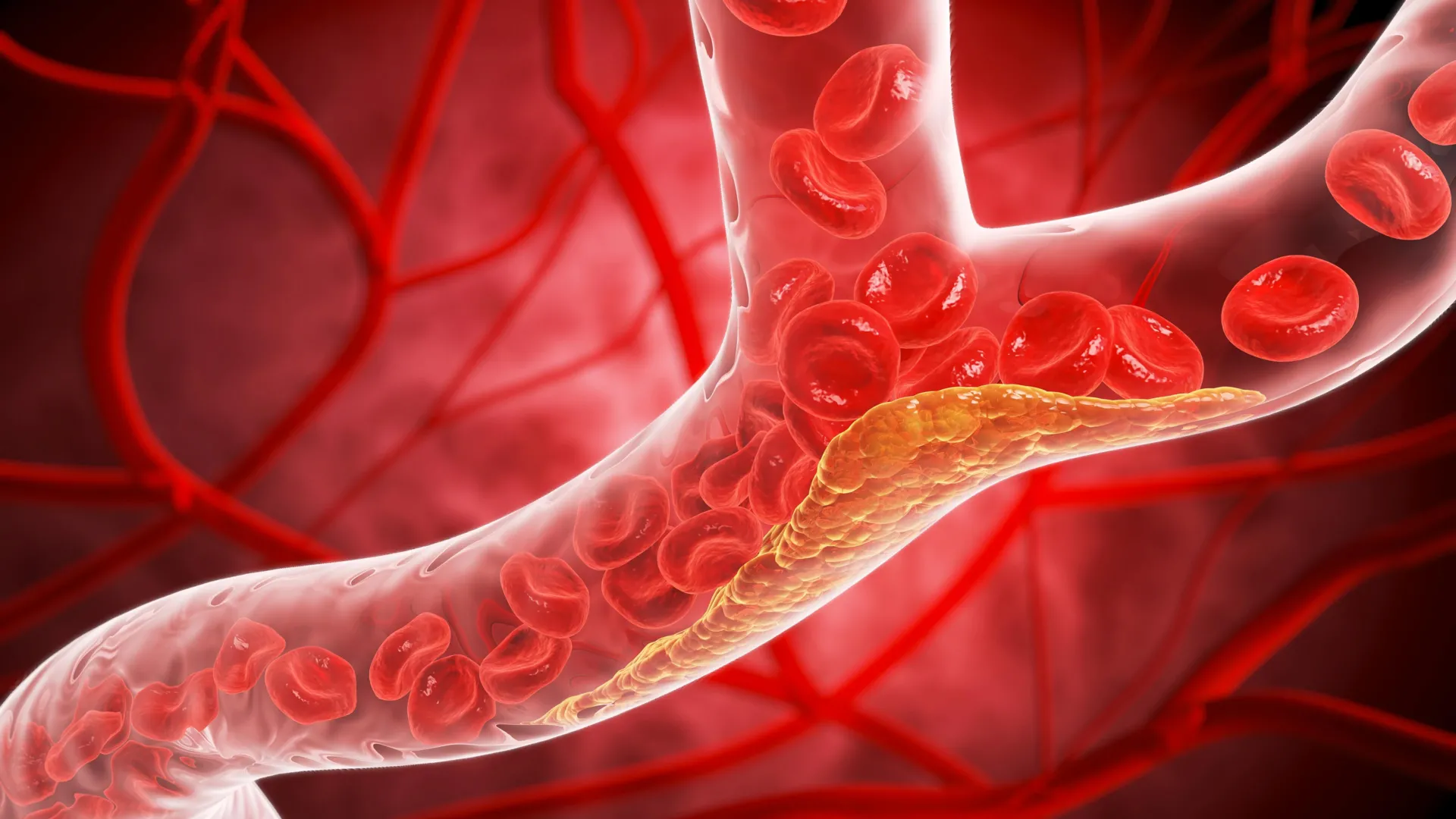
Cholesterol Guidelines: A Shift in Preventative Care Science Daily reports on revised cholesterol guidelines that could fundamentally change how and when individuals are screened and treated for cardiovascular risk. These updated recommendations are poised to lower the age at which certain individuals might be considered for statin therapy, shifting the focus towards earlier, more aggressive prevention. The implication for public health is substantial, potentially averting thousands of heart attacks and strokes annually. However, this also raises questions about the long-term implications of widespread statin use and the economic impact on healthcare systems. The key takeaway is a proactive stance on heart health, driven by evolving risk assessment models.
Critiquing the Red Planet Dream Kim Stanley Robinson, the visionary author behind the "Mars" trilogy, has publicly dismissed the current push for Mars colonization as "bullshit." His critique, highlighted by New Scientist, centers on the immense, perhaps insurmountable, technological and ethical hurdles involved. Robinson argues that focusing on Mars distracts from the urgent need to preserve Earth, our only viable home. This perspective injects a dose of reality into the soaring ambitions of space exploration. The "so what?" is a crucial reminder: while the allure of other worlds is powerful, pragmatic assessment of resources, feasibility, and ethical responsibility must temper our interstellar aspirations. It forces a re-evaluation of priorities in both space policy and terrestrial environmental stewardship.
Nature's Quirky Clocks and Ancient Records Quanta Magazine delves into the fascinating world of bioluminescence and circadian rhythms, exploring how certain jellyfish have evolved unique mechanisms to keep time. These organisms utilize light-based biological clocks that differ from the standard internal mechanisms found in most life forms. This discovery offers novel insights into the evolution of timekeeping in nature. Separately, Phys.org highlights a "time capsule in the salt flat," hinting at geological or archaeological discoveries preserved by arid conditions. While the details are sparse, such finds often provide invaluable windows into past environments or civilizations, allowing us to reconstruct history with unprecedented clarity.
Tech Impact: From AI in Healthcare to Space Policy Debates
The evolving landscape of medical diagnostics, particularly concerning cardiovascular health, presents a fertile ground for AI and machine learning. As cholesterol guidelines shift, predictive algorithms will become even more critical in identifying high-risk individuals and tailoring preventative treatments. This could lead to a surge in demand for AI-powered diagnostic tools capable of analyzing complex patient data with greater speed and accuracy than human clinicians alone. The potential for remote patient monitoring and personalized health plans, driven by wearable technology and AI analysis, is immense.
Furthermore, Robinson's critique of Mars colonization resonates deeply within the space technology sector. While private companies continue to invest billions in lunar and Martian ambitions, this public skepticism, coming from a respected voice, might force a more rigorous public and governmental debate about return on investment and ethical considerations. It could steer funding towards more immediate, Earth-bound technological challenges or a more phased, scientifically grounded approach to space exploration. The debate isn't just about rockets; it's about resource allocation and long-term vision in an era of significant terrestrial challenges.
Nature's report on political appointments to science advisory roles, noting a heavy emphasis on tech leaders over academics, signals a potential shift in how government views technological innovation versus fundamental research. This could accelerate the adoption of cutting-edge technologies in policy-making but might also sideline crucial foundational scientific inquiry. The implications for future research funding and the direction of national scientific priorities are significant, potentially prioritizing market-ready solutions over exploratory, long-term scientific endeavors.
References
- New cholesterol guidelines could change when you get tested - Science Daily
- A North Atlantic Right Whale Baby Boom Is On—but the Species Remains at Risk - WIRED Science
- The time capsule in the salt flat - Phys.org
- The Jellies That Evolved a Different Way To Keep Time - Quanta Magazine
- Trump’s new science advisers include 12 technology chiefs — and one academic - Nature
- Author of Red Mars calls 'bullshit' on emigrating to the planet - New Scientist
Related Posts
Science & Technology News - April 29, 2026
Data centers in space, quantum jamming, and 10,000 new exoplanets headline today's science.
April 29, 2026Science & Technology News - April 28, 2026
AI ethics, LLMs, and unexpected biological findings dominate this week's science and tech.
April 28, 2026Science & Technology News - April 26, 2026
AI threats, ancient immunity, climate mysteries, and more.
April 26, 2026