AI Hardware Race Heats Up: Nvidia, Intel, and Samsung Make Bold Moves
Nvidia's GTC 2026 unveils new AI chips, Intel counters with gaming CPUs, and Samsung enters the fray.
AI Hardware Race Heats Up: Nvidia, Intel, and Samsung Make Bold Moves
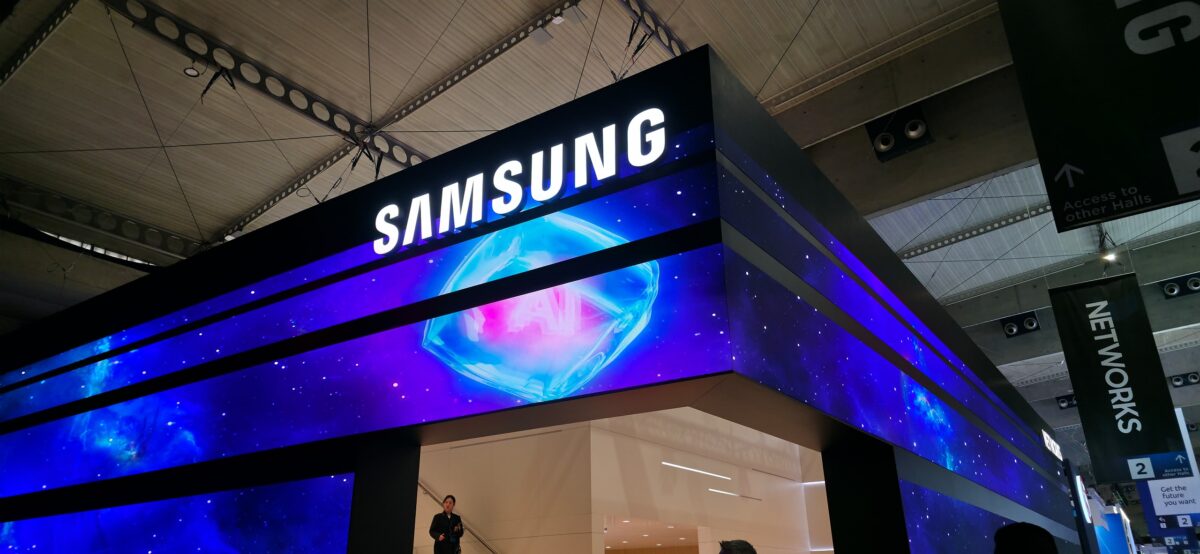
The semiconductor landscape is buckling under the immense pressure of AI development, with major players like Nvidia, Intel, and Samsung unveiling significant hardware advancements. Nvidia, at its GTC 2026 event today, March 18, 2026, showcased its Vera CPU and NemoClaw agent stack, signaling a multi-pronged approach to AI processing. Simultaneously, Samsung announced its HBM4E chip, a critical component for high-performance computing, and crucially, revealed it's manufacturing Groq 3 LPU chips for Nvidia. This intricate supply chain relationship underscores the interdependence within the industry as demand for AI-accelerated hardware skyrockets.
The implications are vast: Nvidia is not only pushing its own silicon but also leveraging its manufacturing partners to scale production of specialized AI accelerators. Samsung's role as a foundry signifies its growing importance in the high-end chip market, directly competing with TSMC. The introduction of the Vera CPU alongside the NemoClaw software stack suggests Nvidia is aiming for a more integrated, end-to-end AI solution, potentially challenging traditional CPU architectures in specific workloads.
Intel, meanwhile, is sharpening its focus on the high-performance consumer market, announcing its Core Ultra 200HX Plus CPUs. These new chips, designed for high-end gaming laptops, boast up to 24 cores and 24 threads. While the gaming market might seem distinct from the server-centric AI race, the underlying advancements in CPU architecture and manufacturing processes often trickle down. Intel's push with these powerful processors indicates they are not conceding ground in the premium laptop segment, aiming to capture gamers and power users who increasingly demand more from their devices.
However, Nvidia's GTC announcements weren't without controversy. The tech community is buzzing about the backlash over its "cinematic" DLSS 5 technology. While details are still emerging, the push for enhanced visual fidelity in gaming, especially with AI-powered upscaling, has clearly struck a nerve. This highlights a recurring tension: the quest for bleeding-edge performance versus user experience and potential unintended consequences of aggressive AI integration.
Beyond the corporate giants, the broader tech ecosystem continues to evolve. Articles like "How to Set Up Your Own NAS Server" point to a growing DIY and prosumer interest in managing personal data and media. While seemingly unrelated to the GTC announcements, this trend reflects a wider societal shift towards decentralized data management and a desire for greater control over digital assets, potentially creating new markets for specialized storage and networking hardware.
The future of AI hardware development will likely be defined by this intense competition. We can expect further integration of specialized AI accelerators, continued advancements in memory technologies like HBM, and fierce battles for market share across consumer and enterprise segments. The interplay between chip design, manufacturing capabilities, and software optimization will be key. As hardware becomes more powerful, the ethical and practical implications of AI integration, as seen with DLSS 5, will demand increasing scrutiny from both developers and users alike.


References
- Samsung starts making Groq 3 LPU chips for Nvidia - SamMobile
- A large meteor is visible from much of Ohio and parts of neighboring states - Ars Technica
- How to Set Up Your Own NAS Server for Backups and Content Streaming - Wired
- Intel announces Core Ultra 200HX Plus CPUs for high-end gaming laptops - The Verge
- Nvidia GTC 2026 Keynote: What to Know About DLSS 5, NemoClaw and Vera CPU - CNET
Related Posts
Valve's New Steam Controller: A Mixed Bag
Valve's second-gen Steam Controller lands with solid improvements but a hefty price tag.
April 28, 2026AI Security Shakes: OpenAI, Anthropic Face Data, Legal, and Ethical Storms
OpenAI and Anthropic grapple with security breaches, legal battles, and ethical fallout.
April 27, 2026Foldables Expand, Apple Deals Abound, Pixel Leaks Surface
The latest in smartphones: Samsung's wider foldables, Pixel hardware rumors, and Apple deals.
April 27, 2026