Science & Technology News - March 9, 2026
Pig liver xenotransplantation, asteroid snowballs, right whale boom, alien life chemistry, and AI breakthroughs.
Main Heading: Life, Space, and Intelligence: March 9, 2026
Breakthroughs in Bio-Engineering and Space Exploration
The successful use of a genetically modified pig liver to sustain a human patient until a transplant marks a pivotal moment in xenotransplantation. While the patient's identity and specific condition remain undisclosed, Nature reports this procedure demonstrates a significant leap in overcoming immunological barriers that have long plagued animal-to-human organ grafts. The implications are immense: a potential solution to the chronic organ donor shortage, which currently claims thousands of lives annually. This development could redefine critical care and extend lifespans for those with end-stage organ failure.
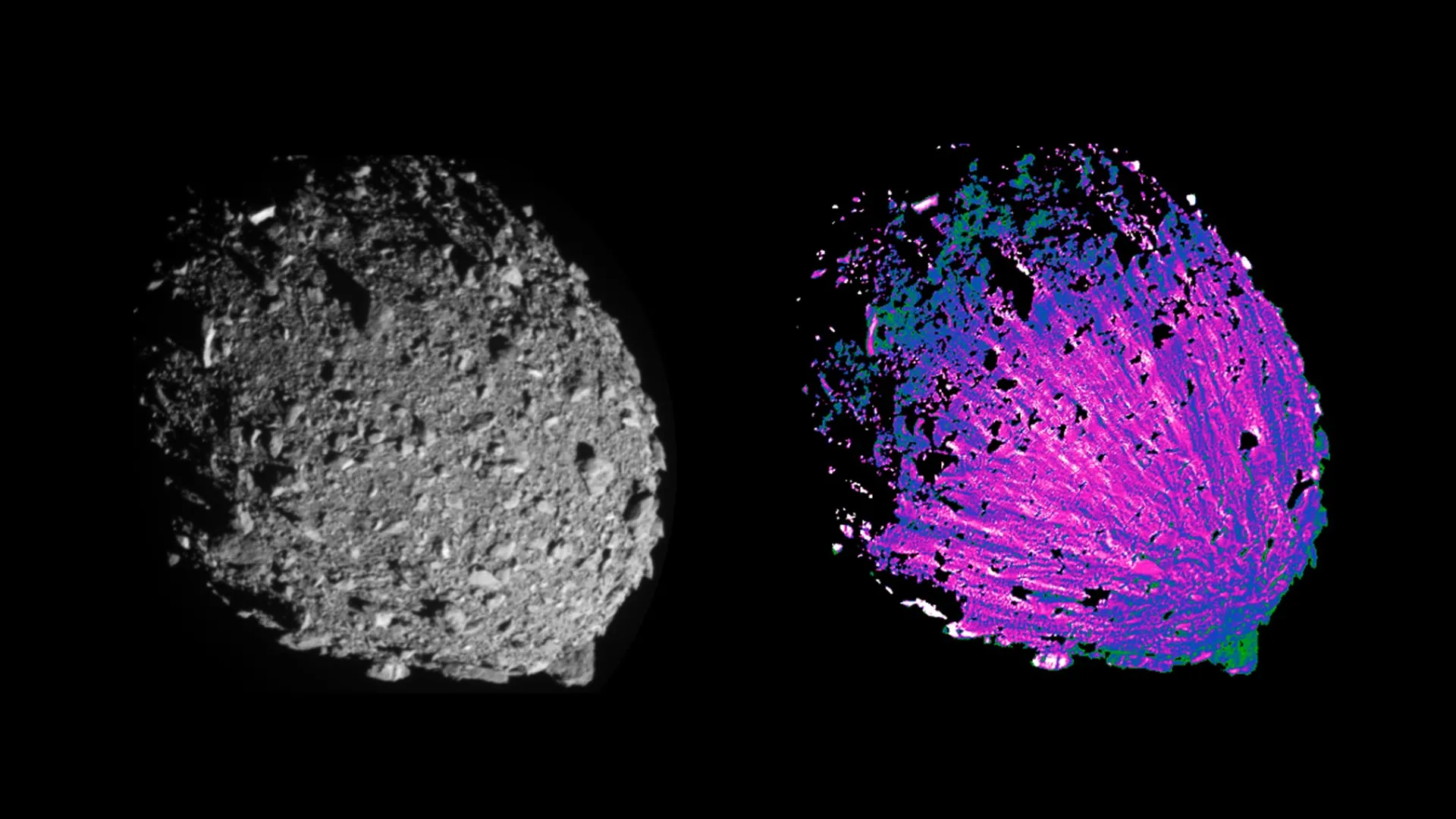
Meanwhile, NASA's DART mission has offered a startling new perspective on celestial mechanics. Science Daily highlights findings that asteroids, when colliding, eject material in a manner akin to "cosmic snowballs." This observation, derived from analyzing the aftermath of the DART impact, suggests that asteroid composition and fragmentation processes are more dynamic than previously understood. Understanding these behaviors is crucial for planetary defense strategies and for optimizing resource utilization in future space missions, particularly for asteroid mining.
Conservation Triumphs and Existential Questions
In a glimmer of hope for marine conservation, WIRED reports a surprising baby boom among North Atlantic Right Whales. This surge in births, though welcome, doesn't erase the species' precarious status. Entanglement in fishing gear and vessel strikes continue to pose severe threats, meaning this reproductive success is a temporary reprieve rather than a guarantee of long-term survival. Conservationists must now redouble efforts to implement stricter regulations and innovative mitigation strategies to protect these magnificent creatures from ongoing anthropogenic pressures.
Shifting to the cosmic unknown, New Scientist probes the intriguing possibility of detecting extraterrestrial life through unconventional chemistry. The research suggests that biosignatures may not be limited to Earth-like biochemistry. By analyzing geological or atmospheric anomalies, scientists could identify life forms operating on entirely different chemical principles. This expands the search parameters for astrobiology, acknowledging that life elsewhere might be far stranger than we can currently imagine, prompting a reevaluation of our detection methods and philosophical assumptions about life itself.
AI's Expanding Horizons and Coral Resilience
Artificial intelligence continues its relentless march across scientific disciplines. The arXiv repository reveals a surge in AI research, particularly in computer vision and natural language processing. Papers like BEVLM: Distilling Semantic Knowledge from LLMs into Bird's-Eye View Representations and Fly360: Omnidirectional Obstacle Avoidance within Drone View showcase AI's growing ability to interpret complex visual data and navigate dynamic environments. Other works, such as SUREON: A Benchmark and Vision-Language-Model for Surgical Reasoning and Artificial Intelligence for Detecting Fetal Orofacial Clefts and Advancing Medical Education, highlight AI's potential to revolutionize healthcare through enhanced diagnostics and educational tools. Furthermore, innovations like COLD-Steer: Steering Large Language Models via In-Context One-step Learning Dynamics and NOBLE: Accelerating Transformers with Nonlinear Low-Rank Branches focus on improving the efficiency and control of large language models, paving the way for more sophisticated and reliable AI applications.
In parallel, Phys.org reports on the resilience of heat-tolerant corals. While these specific coral populations may help certain reefs persist through warming oceans, the broader picture remains grim. Most reefs worldwide continue to face severe erosion and degradation due to rising sea temperatures and ocean acidification. This nuanced finding underscores the urgent need for global climate action, as localized adaptation strategies alone cannot safeguard these vital marine ecosystems from the overwhelming impact of climate change.
Tech Impact and Future Outlook
The convergence of AI, bio-engineering, and space science presents a dynamic landscape for technological advancement. The pig liver success story isn't just a medical marvel; it's a testament to precision gene editing and advanced surgical techniques, with potential spin-offs in creating disease models and developing novel therapies. The DART mission's findings on asteroid behavior could accelerate the development of autonomous navigation systems for deep-space probes and refine impact prediction models, crucial for protecting Earth and exploiting extraterrestrial resources.
AI's rapid integration into specialized fields like surgical diagnostics and environmental monitoring promises to democratize access to expertise and enhance decision-making. Projects focusing on efficient LLM training and deployment, such as NOBLE, will likely lead to more accessible and powerful AI tools for researchers and developers across industries. The challenge ahead lies in translating these breakthroughs into scalable, ethical, and globally beneficial applications, ensuring that technological progress serves humanity's most pressing needs, from combating climate change to exploring the universe.
References
- Genetically modified pig liver keeps man alive until human organ transplant - Nature
- NASA DART mission reveals asteroids throw “cosmic snowballs” at each other - Science Daily
- A North Atlantic Right Whale Baby Boom Is On—but the Species Remains at Risk - WIRED Science
- Chemistry clues could detect aliens unlike any life on Earth - New Scientist
- Heat-tolerant corals may help some reefs persist, but most still erode - Phys.org
- The Man Who Stole Infinity - Quanta Magazine
- BEVLM: Distilling Semantic Knowledge from LLMs into Bird's-Eye View Representations - arXiv
- Fly360: Omnidirectional Obstacle Avoidance within Drone View - arXiv
Related Posts
Science & Technology News - April 23, 2026
AI's math revolution, quantum computing boosts, and brain network insights dominate science news.
April 23, 2026Science & Technology News - April 22, 2026
AI agents get social networks, AI fears questioned, and cancer breakthroughs.
April 22, 2026Science & Technology News - April 21, 2026
AI reasoning, immune cell roles, climate shifts, and dietary debates dominate science news.
April 21, 2026