Smartphone and Wearable Market Heats Up with New Launches
Xiaomi, Samsung, and Apple unveil new smartphones and wearables, driving innovation and competition.
The Mobile Arena Ignites: New Flagships and Wearables Land
March 2, 2026, marks a pivotal moment in the consumer electronics calendar as major players unveil their latest smartphone and wearable innovations. The global stage is set with releases from Xiaomi, Samsung, and Apple, each vying for consumer attention with upgraded devices and novel features. This wave of launches signals intense competition and a rapid pace of technological advancement in the mobile and wearable sectors.
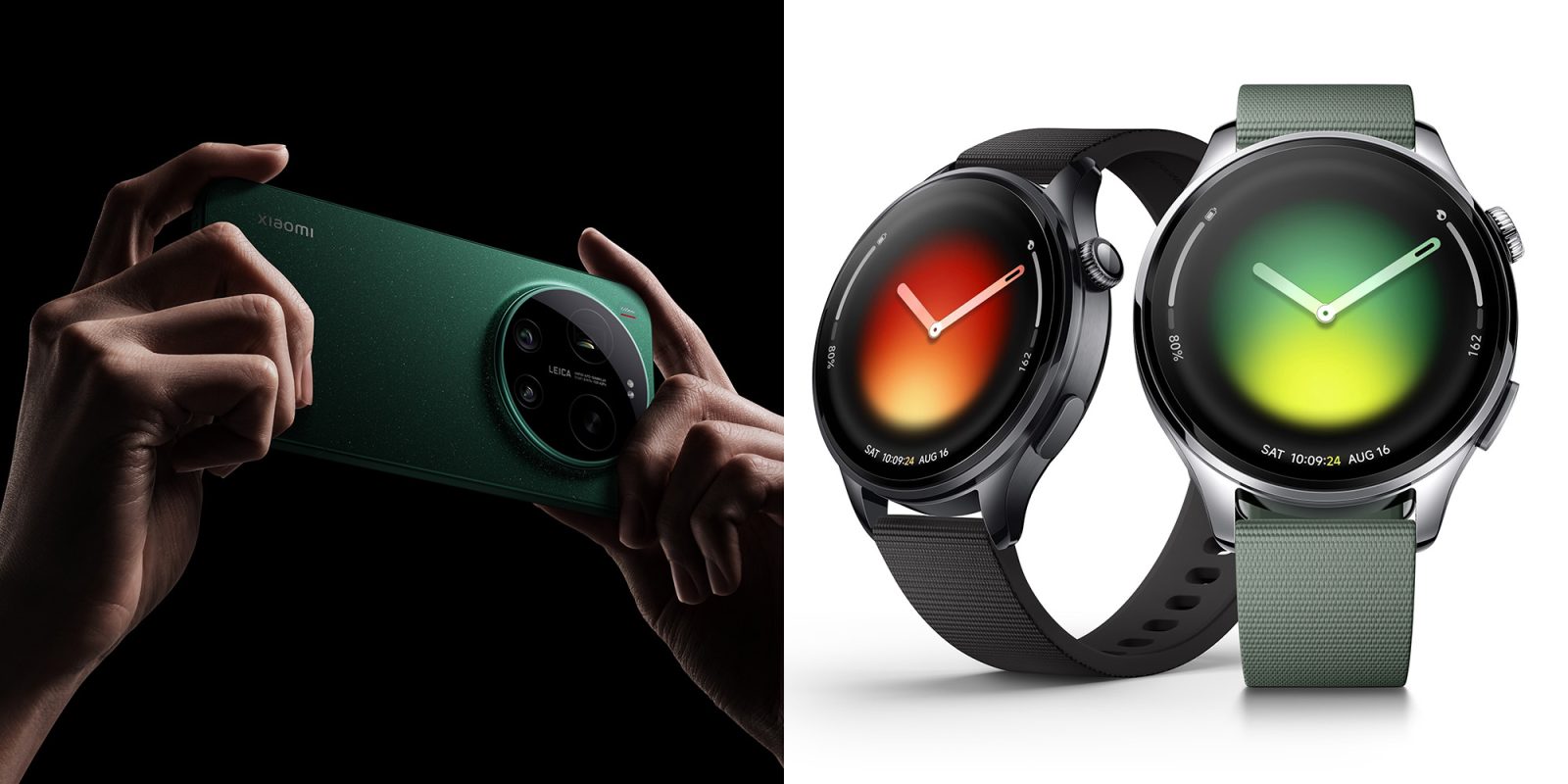
Xiaomi has kicked off MWC 2026 with a significant global push, announcing the Xiaomi 17 series starting at €999. This launch isn't just about smartphones; it includes a new Wear OS smartwatch and their first Find Hub tracker. The implication here is a clear strategy to expand Xiaomi's ecosystem beyond phones, directly challenging established players in the integrated smart device market. Offering a comprehensive suite of connected products aims to lock users into their platform, a move that could reshape consumer purchasing habits.
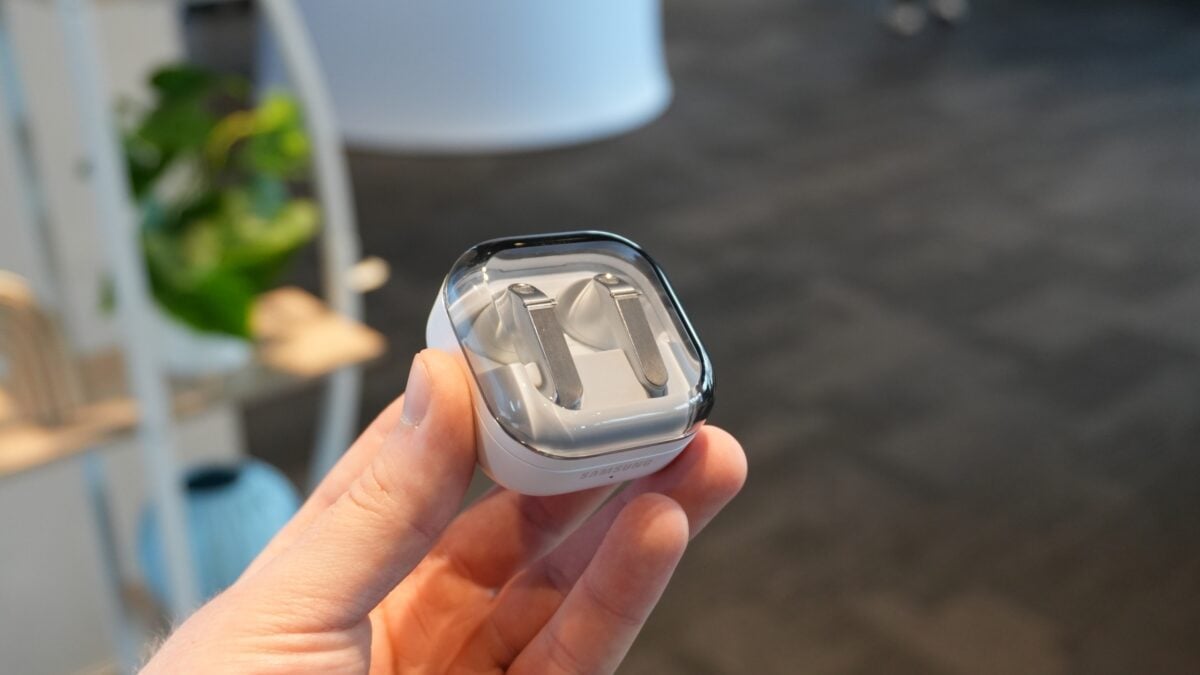
Meanwhile, Samsung is cleverly integrating accessory functionality with its new Galaxy S26 series. While the phones themselves may lack built-in magnets, the company is leaning heavily into magnetic accessories, exemplified by the Galaxy Buds 4 Pro case. This case not only houses the earbuds but also cleverly doubles as a kickstand for the Galaxy S26, enhancing user experience and utility. This focus on magnetic peripherals, especially with the phone supporting Qi2 standards, suggests a move towards modularity and enhanced convenience, making the phone and its accessories work more harmoniously.
Apple, ever the trendsetter, is seeing significant deals on its established product lines. This week's promotions highlight a $100 discount on the Apple Watch Series 11 and savings on iPhone 17 TechWoven cases. Although not new product announcements, these deals underscore the enduring appeal and market presence of Apple's ecosystem. The continued availability and attractive pricing of older models, even as new ones emerge, demonstrate Apple's strategy of maintaining a broad product portfolio that caters to different budget segments, ensuring continued market share.

Comparing Perspectives: 9to5Google emphasizes Xiaomi's broad ecosystem play and global reach with its MWC debut. SamMobile focuses on Samsung's practical accessory innovation, enhancing the core smartphone experience through thoughtful design. MacRumors highlights the ongoing value and market penetration of Apple's products through strategic discounting, focusing on consumer affordability within a mature ecosystem.
Context and Implications: These launches are occurring against a backdrop of a maturing smartphone market where differentiation is increasingly found in ecosystems, accessory integration, and niche features rather than just raw performance. Xiaomi's aggressive expansion into wearables and trackers signals a desire to replicate Apple's integrated model. Samsung's focus on magnetic accessories points towards a future where devices are more adaptable and convenient to use. Apple's continued strong performance, even with deals on older models, shows the power of brand loyalty and a tightly controlled ecosystem.
Future Outlook: Expect continued innovation in wearable technology, with a stronger emphasis on health tracking and seamless integration with smartphones. The battle for ecosystem dominance will intensify, pushing companies to offer more compelling bundles and interconnected services. As the market evolves, we'll likely see more companies adopt modular or accessory-centric approaches to extend device lifespan and user engagement, mirroring Samsung's current strategy.
References
- Xiaomi 17 series launches globally from €999 alongside new Wear OS watch and Find Hub tracker - 9to5Google
- Samsung’s Galaxy Buds 4 Pro magnet case doubles as a Galaxy S26 kickstand - SamMobile
- Best Apple Deals of the Week: Get $100 Off Apple Watch Series 11, Plus Save on iPhone 17 TechWoven Cases and More - MacRumors
Related Posts
Galaxy S26 Sales Soar Despite Industry Headwinds
Galaxy S26 sales surge 29% YoY, boosted by unique 'Devil Wears Prada 2' promo.
April 22, 2026Framework Laptop Evolves: eGPUs and New Options Emerge
Framework Laptop embraces desktop power with eGPUs and introduces new CPU choices.
April 22, 2026AI's Rapid Evolution: From Creation to Control
AI's capabilities explode, raising new opportunities and ethical challenges.
April 22, 2026