Economics & Finance Trends - March 1, 2026
Geopolitical shocks hit markets, questioning US poverty war, impacting travel.
Global Turmoil and Economic Ripples: March 1, 2026
Geopolitical tensions are ratcheting up, with significant implications for global markets and everyday life. The recent U.S.-Israel attack on Iran, as reported by MarketWatch, is poised to wreak havoc on international air travel. This isn't just about flight delays; it's a stark reminder of how regional conflicts can trigger a cascade of disruptions, impacting everything from tourism revenue to the cost of goods transported by air. Middle Eastern airports, often critical logistical hubs, will likely see reduced traffic and increased security measures, potentially driving up air freight costs and affecting supply chains far beyond the immediate conflict zone.
The echoes of this aggression are felt keenly in Tehran, where, according to the Financial Times, explosions marred the start of Iran's working week. This highlights the immediate human and economic cost of such actions, disrupting daily commerce and potentially signaling deeper instability within the nation. The broader implications extend to energy markets, as any disruption to Middle Eastern oil production or transit routes could send crude prices soaring, a move that would inevitably translate into higher gasoline prices at the pump for consumers worldwide.
Against this backdrop of escalating conflict, a more introspective economic debate is unfolding in the United States. The Economist poses a critical question: Did America’s war on poverty fail? This isn't merely an academic exercise. The effectiveness, or lack thereof, of decades of anti-poverty programs has direct bearing on current and future fiscal policy. Failures here could mean a reassessment of social safety nets, potentially leading to shifts in government spending priorities and impacting tax policies. The debate forces a reckoning with the efficacy of billions of dollars invested, questioning whether the intended outcomes of reduced poverty and increased economic mobility have materialized.
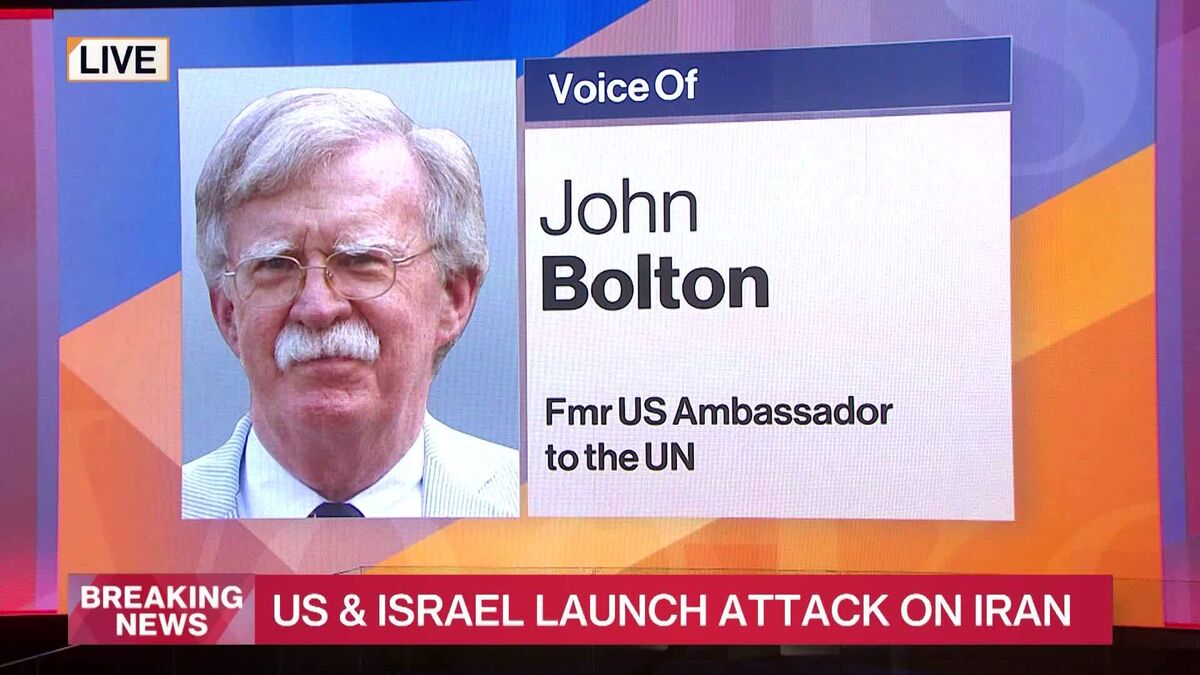
Former Ambassador John Bolton's perspective on what it takes for regime change in Iran, shared with Bloomberg Markets, adds another layer to the geopolitical calculus. While the article itself focuses on political strategy, the very discussion of such actions, especially in conjunction with military strikes, signals a high level of international tension. For investors, this translates into heightened geopolitical risk premiums across asset classes. Markets tend to punish uncertainty, and the current environment is rife with it, suggesting a cautious approach is warranted until the geopolitical landscape clarifies.
Market Insights: Navigating Uncertainty
The current economic climate, characterized by escalating geopolitical tensions and critical reassessments of domestic policy, demands a discerning eye from investors. The volatility stemming from the Iran conflict is likely to manifest across various sectors. Energy stocks, while potentially benefiting from price spikes, also carry the risk of regulatory scrutiny or further escalation. Conversely, sectors reliant on stable global trade and travel, such as airlines and logistics, face significant headwinds. Investors should consider diversifying portfolios to mitigate exposure to these unpredictable events.
Furthermore, the ongoing debate about the efficacy of U.S. poverty initiatives could signal shifts in economic policy. Should a re-evaluation lead to significant changes in social spending or taxation, it would create new investment opportunities and risks. For instance, shifts in government funding could bolster certain industries while diminishing others. Understanding these potential policy pivots is crucial for long-term investment strategy.
In the fringe corners of the digital economy, Grass (GRASS), currently ranked 225, represents the speculative appetite for emerging technologies. While details on Grass are scarce, its presence in the rankings indicates a segment of the market actively seeking high-risk, high-reward opportunities in the cryptocurrency space. However, with broader market uncertainty, the speculative nature of such altcoins amplifies their risk profile. Investors drawn to these assets must exercise extreme caution and allocate only capital they can afford to lose, as their valuations are often detached from traditional economic fundamentals and highly susceptible to market sentiment shifts.
Overall, March 1, 2026, finds the global economy at a critical juncture. The interplay of international conflict, energy market dynamics, and domestic policy debates creates a complex environment. Prudence, diversification, and a keen awareness of both geopolitical and economic policy shifts will be paramount for navigating the coming weeks and months.
References
- What It Takes for Regime Change in Iran: John Bolton - Bloomberg Markets
- Did America’s war on poverty fail? - The Economist
- Tehran started its working week. Then came the explosions - Financial Times
- The U.S.-Israel attack on Iran will wreak havoc on international air travel - MarketWatch
- Grass (GRASS) - CoinGecko
Related Posts
Economics & Finance Trends - April 21, 2026
Maga Inc's war chest, private credit, and Indonesia's MSCI review shape today's financial landscape.
April 21, 2026Economics & Finance Trends - April 19, 2026
Geopolitical flashpoints, crypto controversies, and market navigation strategies for April 2026.
April 19, 2026Economics & Finance Trends - April 18, 2026
Global trade tensions rise as KKR and Nvidia rivals eye IPOs amidst Italian banking intrigue.
April 18, 2026