Europe's Push for Accountability vs. NASA's Rocket Woes
Analysis of Europe's accountability push and NASA's Artemis II rocket repairs.
Europe Demands Accountability, U.S. Lags Behind in Epstein Fallout
Across the Atlantic, a stark contrast is emerging in the wake of the Jeffrey Epstein revelations. European nations are channeling public and political outrage into concrete legal and accountability measures, a move that senior Democrats in Washington are increasingly comparing to a conspicuously muted response in the United States. This divergence highlights a growing transatlantic divide on how to address high-profile alleged misconduct and systemic failures, raising questions about the integrity of justice systems on both sides of the pond.
The implications are profound. While countries like the UK are initiating inquiries and demanding explanations, potentially ensnaring figures like Prince Andrew, the U.S. appears to be treading water. This inaction, as observed by Washington Post reporters, could embolden those seeking to avoid scrutiny and further erode public trust in institutions perceived as protecting the elite. The call for accountability in Europe suggests a willingness to confront uncomfortable truths, even when they involve powerful individuals and established hierarchies.
NASA's Artemis II Rocket Returns to Hangar for Repairs
Meanwhile, on the technological front, NASA's ambitious Artemis II mission faces a significant setback. The agency has confirmed the need to transport the colossal Artemis II rocket back to the Vehicle Assembly Building (VAB) for extensive repairs. This decision underscores the immense complexity and inherent fragility of cutting-edge space exploration hardware, even after rigorous testing.
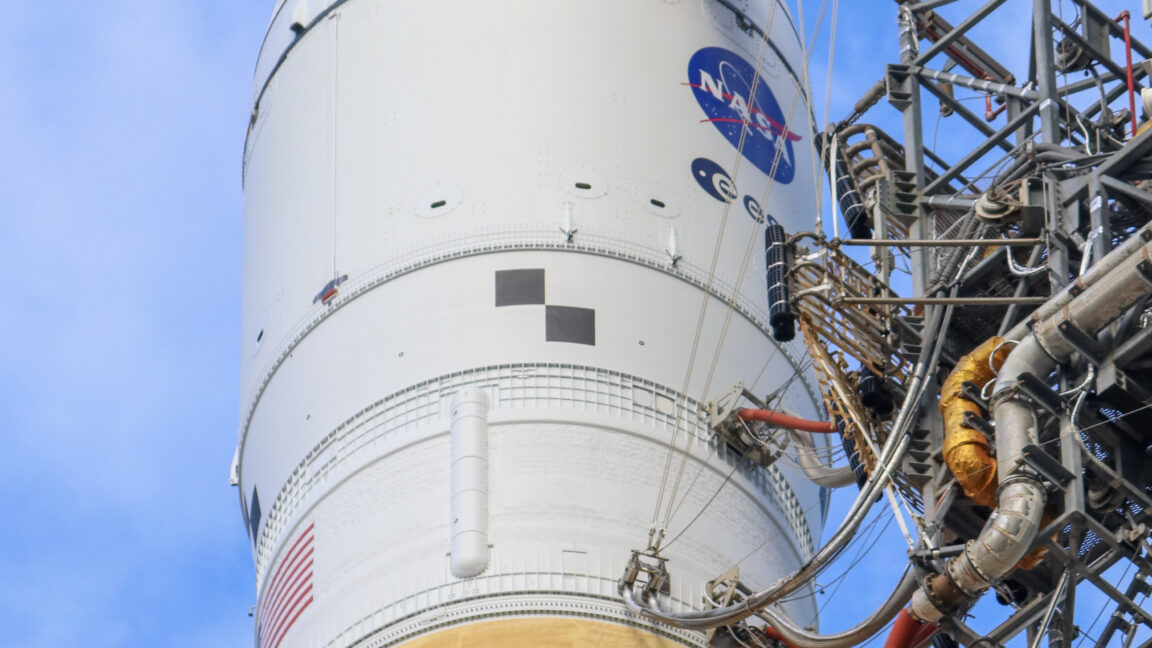
The necessity of returning the rocket to the VAB, as stated by NASA officials, emphasizes that certain critical repairs and remediations can only be performed within this specialized facility. This logistical challenge not only introduces delays but also highlights the precision engineering required for deep-space missions and the potential for unforeseen issues to arise.
The "so what?" here is clear: the path to returning humans to the Moon is fraught with technical hurdles. Each such delay, while necessary for safety and mission success, adds to the overall timeline and cost of the Artemis program. It's a stark reminder that even with billions invested and groundbreaking technology, spaceflight remains an endeavor where meticulous attention to detail can halt progress.
Connecting the Threads: Accountability and Technical Precision
While seemingly disparate, both stories touch upon themes of accountability and the consequences of failure. In the Epstein case, the lack of perceived accountability in the U.S. contrasts sharply with Europe's proactive stance. This suggests different cultural and legal approaches to addressing wrongdoing at the highest levels.
Similarly, NASA's decision to haul the Artemis II rocket back for repairs is an exercise in technical accountability. The agency is prioritizing the integrity of the mission over a swift launch, demonstrating a commitment to rigorous standards even when it means admitting and rectifying problems. This proactive approach, though costly and time-consuming, is crucial for the long-term success and public perception of the Artemis program.
References
Related Posts
Orban's Exit: Hungary's Populist Legacy Lingers
Hungary's Orban faces defeat, but his populist influence may persist.
April 15, 2026Android App Landscape Shifts: Outlook Lite Departs, Samsung Touts Ocean Mode
Microsoft retires Outlook Lite, while Samsung introduces a new 'Ocean Mode' feature for Galaxy phones.
April 14, 2026Apple's Ecosystem Expansion: Wallet, MacBooks, and Smart Glasses
Apple Wallet boarding passes reach major airlines, MacBook Pro deals surface, and smart glasses prototypes emerge.
April 14, 2026