Science & Technology News - January 19, 2026
AI's expanding reach, climate concerns, and biotech breakthroughs dominate science news.
Deep Dive: AI's Unseen Architectures and Real-World Impact
Artificial intelligence isn't just a buzzword anymore; it's actively reshaping how we understand complex systems and tackle real-world problems. A review of recent arXiv submissions reveals a significant push towards understanding the internal workings of large AI models and their practical deployment, moving beyond theoretical discussions to tangible applications. Notably, researchers are exploring how distinct AI models seem to converge on how they encode reality, suggesting a fundamental, perhaps universal, way these systems process information. This convergence is critical because it hints at the potential for more robust and interpretable AI systems.
Furthermore, the practical challenges of deploying AI are coming into sharp focus. Papers like "Building Production-Ready Probes For Gemini" and "The Poisoned Apple Effect: Strategic Manipulation of Mediated Markets via Technology Expansion of AI Agents" highlight the engineering hurdles and ethical considerations involved. The former tackles the nitty-gritty of making advanced models like Gemini reliable for business use, while the latter warns of sophisticated AI-driven market manipulation. This duality—understanding fundamental AI behavior and ensuring its safe, effective deployment—is the central tension in AI research today.
Beyond core AI, its application in specialized domains is accelerating. The development of MetaboNet, a large dataset for Type 1 Diabetes management, exemplifies AI's potential to revolutionize healthcare by providing richer data for personalized treatment. Similarly, "Health Facility Location in Ethiopia: Leveraging LLMs to Integrate Expert Knowledge into Algorithmic Planning" shows how AI can optimize crucial public services in resource-constrained environments, directly impacting human well-being. These aren't abstract research projects; they represent concrete steps toward solving pressing global issues, from public health to economic stability.
Tech Impact: From Farming to Climate, AI and Biotech Converge
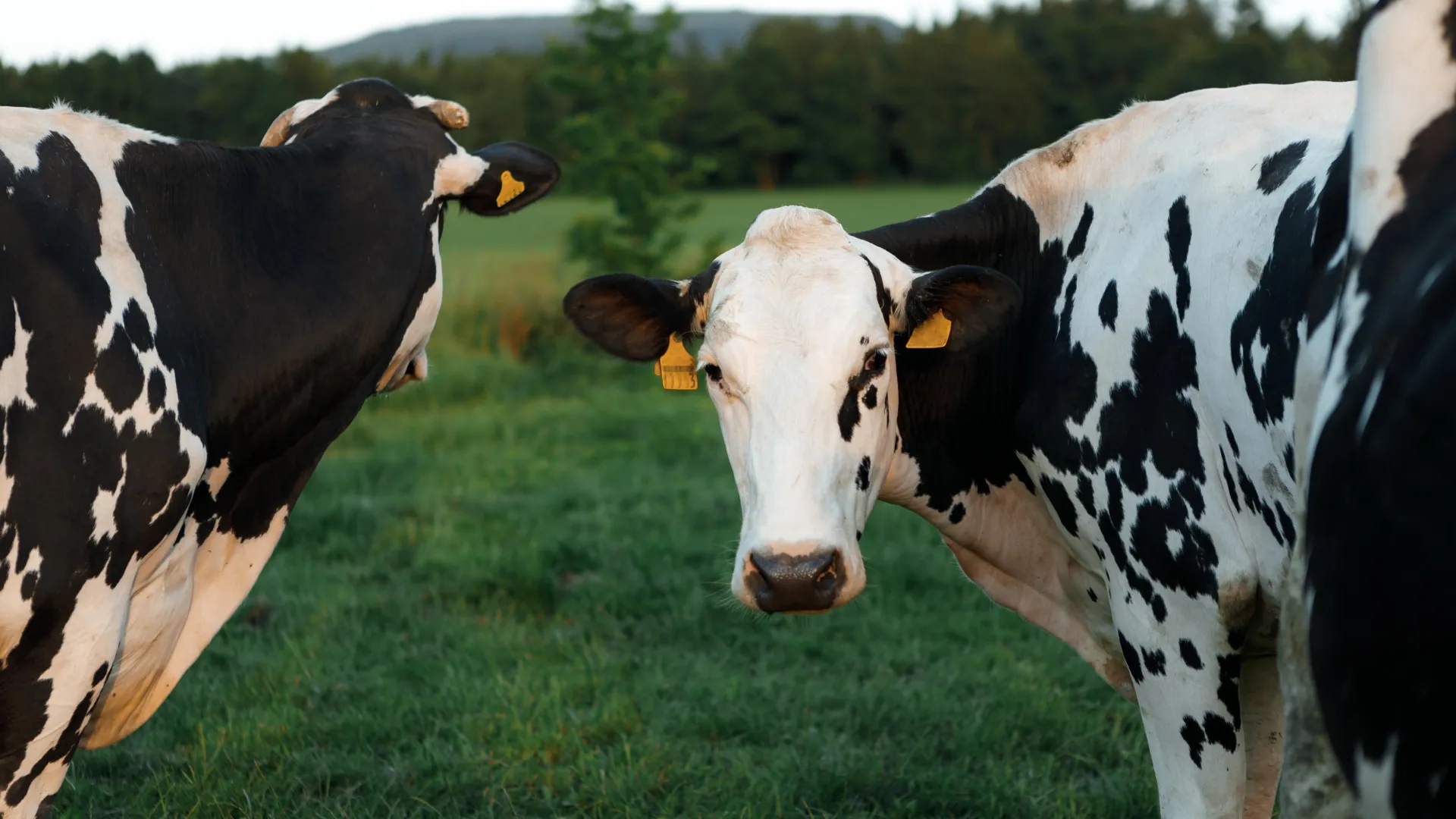
The implications of these advancements are profound and far-reaching. The Science Daily headline, "A once-in-a-generation discovery is transforming dairy farming," hints at biotech innovations that, while not detailed, likely leverage advanced data analysis and potentially AI for precision agriculture. This convergence of AI and biotechnology promises significant gains in efficiency and sustainability across industries.
However, the progress isn't without its challenges and setbacks. WIRED's report on "How the Next Big Thing in Carbon Removal Sank Without a Trace" serves as a stark reminder that even promising technological solutions can falter due to unforeseen complexities, funding issues, or market dynamics. This underscores the need for not just brilliant science but also sound engineering, realistic business models, and careful consideration of the entire lifecycle of a technology.
Meanwhile, environmental concerns remain paramount. The Phys.org report that "More than 55% of Cerrado native vegetation already lost" is a sobering statistic. While AI might offer tools for monitoring and conservation, the news highlights the urgent need for policy and systemic change to complement technological solutions. The quantum computing landscape, as explored by New Scientist, continues to evolve, promising future breakthroughs that could unlock unprecedented computational power, potentially accelerating solutions to many of these complex challenges, from climate modeling to drug discovery.
The Nature article, "During the course of my PhD, I’ve been relearning how to rest," while personal, touches upon the human element in demanding scientific pursuits. As research intensifies and becomes more interdisciplinary, managing researcher well-being is crucial for sustained innovation. The sheer volume of advanced research, particularly in AI, demands both intellectual rigor and personal resilience.
References
- A once-in-a-generation discovery is transforming dairy farming - Science Daily
- During the course of my PhD, I’ve been relearning how to rest - Nature
- How to finally get a grasp on quantum computing - New Scientist
- More than 55% of Cerrado native vegetation already lost, new review reveals - Phys.org
- Distinct AI Models Seem To Converge On How They Encode Reality - Quanta Magazine
- How the Next Big Thing in Carbon Removal Sank Without a Trace - WIRED Science
- Do explanations generalize across large reasoning models? - arXiv
- Building Production-Ready Probes For Gemini - arXiv
Related Posts
Science & Technology News - April 28, 2026
AI ethics, LLMs, and unexpected biological findings dominate this week's science and tech.
April 28, 2026Science & Technology News - April 26, 2026
AI threats, ancient immunity, climate mysteries, and more.
April 26, 2026Science & Technology News - April 25, 2026
AI, immune systems, and scientific integrity highlight April's tech and science news.
April 25, 2026